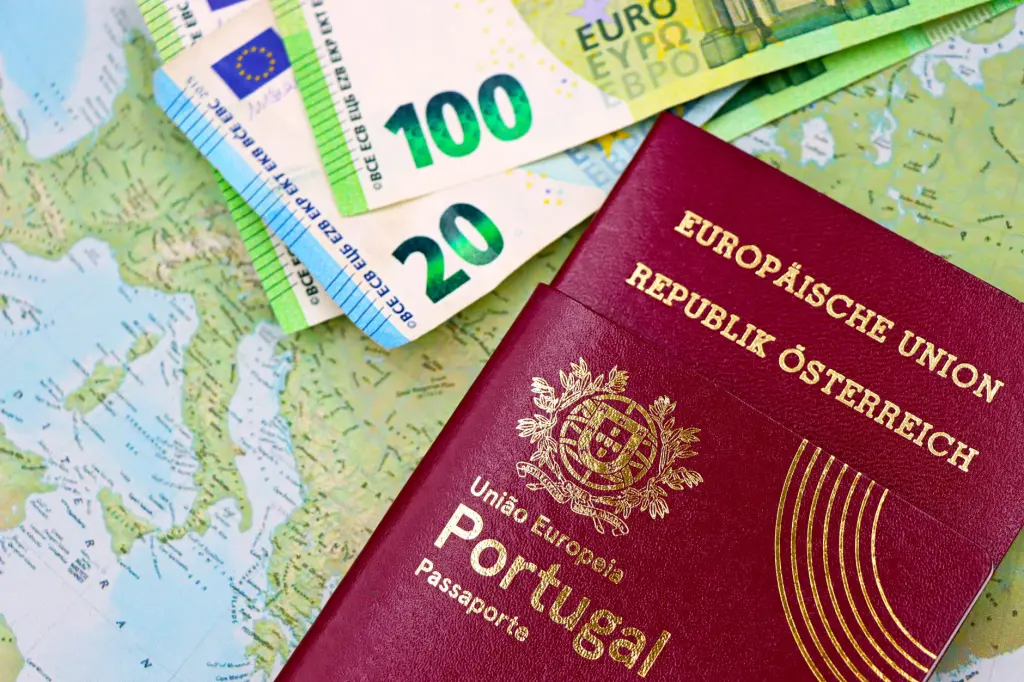
Cómo obtener un permiso de residencia en España: una guía completa de tipos y procedimientos
Detalles
Español
Cómo obtener un permiso de residencia en España: una guía completa de tipos y procedimientos
Respuesta rápida: Usted puede obtener un permiso de residencia en España mediante trabajo, estudio, inversión (visa de oro), reunificación familiar o independencia financiera. En 2026 se reforzaron los procedimientos: se requieren paquetes completos de documentos, pruebas de ingresos y seguro médico. El período de examen es de 1 a 6 meses.
¿Está planeando moverse y buscando información sobre cómo obtener un permiso de residencia en España? Ciertamente no eres el primero en cansarte de consejos conflictivos. Un permiso de residencia no es sólo un sello, sino el derecho a vivir, trabajar y estudiar en un país con el mejor clima en Europa. Cada tipo de residencia requiere un enfoque diferente. Vint de español proporciona acceso a Schengen y beneficios sociales.
Te advierto inmediatamente: no creas los cuentos de hadas sobre el “permiso de residencia fácil para comprar un apartamento”. La Visa Golden Real Estate ha sido oficialmente cerrada desde 2025. Las verdaderas maneras de obtener un permiso de residencia en España son el empleo, la condición de nómada digital, la reunificación familiar o la independencia financiera. Las condiciones para obtener un permiso de residencia en España cambian cada año. En 2026, se apretaron las comprobaciones de ingresos de visados no comerciales. Usted no puede hacer sin un abogado o consultor si usted no está listo para aprender la ley española desde cero. Vint de español se requiere una preparación cuidadosa. Más información sobre el proceso puede encontrarse en portal oficial del Ministerio de Asuntos Exteriores de España. También puede consultar nuestra guía sobre tipos de permisos de residencia para más detalles.
¿Cuáles son los tipos de permiso de residencia en España?

El sistema de inmigración español es un abanico de opciones. La elección depende del objetivo: trabajo, negocio, estudio o simplemente vivir en el sol. Examinemos los principales tipos de rusos y ciudadanos de la CEI. Españoles varios: desde el trabajador a la inversión. Antes de elegir, le recomendamos que nuestra comparación detallada de los tipos de permisos de residencia.
Tipos de trabajo y negocios:
- Una visa de trabajo (Trabajo por cuenta ajena) es para el empleo en una empresa española. Requiere la aprobación del contrato y del mercado laboral.
- Permiso de residencia para autónomos (Autónomo) – para autónomos y empresarios autónomos.
- Permiso de residencia para inversores (Visa de Oro) – compra de bienes raíces a partir de 500.000 euros o inversión en negocios. Da derecho de residencia sin residencia obligatoria.
Non-workers and family:
- Permiso de residencia no residente (Residencia no lucrativa) – para aquellos que no planean trabajar en España. Requiere una prueba de ingresos pasivos (de 2.400 €/mes por solicitante).
- Permiso para la reunificación familiar – para los cónyuges, los hijos y los padres de los residentes.
- El nómada digital (Visado de nómada digital) es un nuevo tipo para los usuarios remotos. Ingresos desde 2.160 €/mes, trabajo para una empresa extranjera.
Educación y temporal:
- Visa de estudiante – para el período de estudio (hasta 1 año con extensión).
- Permiso de residencia (Arraigo) – para aquellos que ya han vivido en España ilegalmente durante 2-3 años. Requiere un contrato social o contrato de empleo.
| Tipo de permiso de residencia | Duración de la validez | Requisitos básicos | Posibilidad de empleo |
|---|---|---|---|
| Visa de trabajo | 1 año + extensión | Contrato, salario desde 1.200 € | Sí |
| No residentes | 1 año + 2 años | Ingresos desde 28,800 €/año | No |
| Visa de oro | 2 años + 5 años | Inversiones desde 500.000 € | Sí |
| Digital nomad | 1 año + 2 años | Ingresos desde 2,160 €/mes | Sí (remotamente) |
La mayoría de los tipos de permiso de residencia requieren residencia en España más de 183 días al año. La excepción es Visa de Oro y Nómada Digital. Si quieres vivir en dos países, elige estas opciones. De lo contrario, se arriesga a perder su estado cuando se renueva. Vint de español esto significa que el período de estancia es respetado.
¿Cómo obtener un permiso de residencia en España en 2026?
En 2026 español puedes conseguirlo, pero el procedimiento es más difícil. Lo principal es demostrar un ingreso estable y el propósito de la estancia. Se ha actualizado la legislación sobre migración: los términos de consideración han aumentado, los requisitos para los documentos se han reforzado. Vint de español requiere cuidado a cada paso. Seleccione la base para la presentación. Este es el primer paso más importante. Cuatro opciones son populares:
- Financieramente independiente – para aquellos que pueden vivir con ingresos pasivos sin trabajar en España. El ingreso mínimo es de unos 28,800 euros al año (400% IPREM). Más seguro, vivienda, antecedentes penales.
- Un nómada digital es para empleados remotos. Requiere un contrato con una empresa extranjera, experiencia laboral de un año. Ingresos – 200% IPREM (unos 14.400 euros). El crédito fiscal es del 24% en lugar de la tasa progresiva.
- Visa de trabajo para empleo en una empresa española. Usted necesita una oferta, un contrato, confirmación de que el empleador no encontró un candidato entre los locales.
- “Golden Visa” – inversión de 500.000 euros en bienes raíces. Para 2026, esta opción se elimina gradualmente, pero todavía es posible. El tiempo es de hasta seis meses.
| Tipo de permiso de residencia | Ingresos mínimos | Duración de la validez | Permiso de trabajo |
|---|---|---|---|
| Financieramente independiente | 28,800 €/año | 1 año | No |
| Digital nomad | 14.400 €/año | 1 año | Sólo remota |
| Visa de trabajo | Depende del contrato | 1 año | Sí |
| Visa de oro | Inversión de 500.000 € | 1 año | No |
La colección de documentos es una rutina, pero sin ella no puede. Pasaporte (por lo menos dos páginas en blanco), certificado de antecedentes penales (apostilla y transferencia), seguro médico (privado, sin franquicia), confirmación de la vivienda (rental o propiedad), declaración bancaria. Para la independencia financiera – también una declaración de ingresos para el año pasado. Para un nómada – un contrato, declaraciones de experiencia, confirmación de trabajo remoto. Métodos de obtención de permiso de residencia en España lista arriba.
Aplicar a través del Consulado Español en el país de residencia o a través de la policía española si usted ya ha entrado en una visa de turista. La segunda opción es arriesgada: algunos consulados se niegan si la estancia es mayor de 90 días. Mejor servir desde casa. Vint de español 2026 requiere prueba de ingresos para todo el período del primer permiso. No sólo para mostrar el certificado en el momento de la presentación, sino para demostrar que el dinero llegará constantemente. Para los freelancers – contratos para proyectos futuros, para inversores – cuentas pasivas.
El período de examen es de 3 a 6 meses. Más rápido para los nómadas digitales (hasta 20 días bajo el nuevo procedimiento). Más lento para visas de trabajo. Si han pasado 6 meses y no hay respuesta, presente una queja. El silencio no es un rechazo, pero es mejor no esperar. Vint de español no es instantáneo.
Otra lección incómoda: incluso con aprobación, usted no consigue un permiso de residencia inmediatamente. En primer lugar, se expide una visa durante 6 meses, luego una tarjeta residente por un año. Luego una extensión de 2 años. Sólo después de 5 años se puede solicitar residencia permanente. Es un maratón, no un sprint. En comparación, proceso de residencia en Portugal pueden diferir en términos y requisitos.
¿Qué documentos se necesitan para registrar un permiso de residencia?
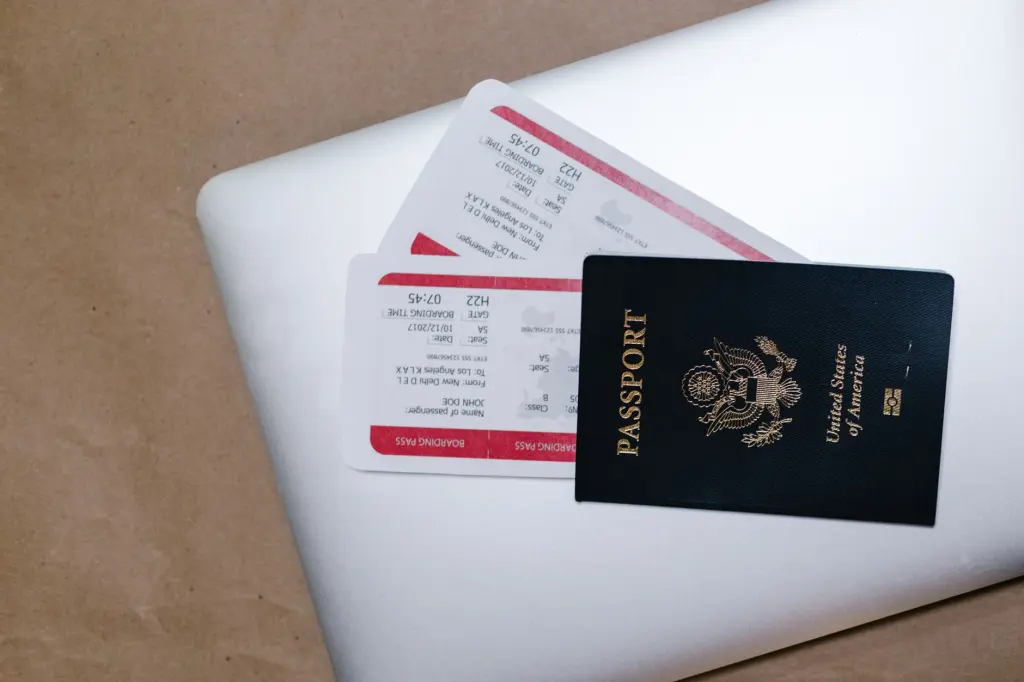
No hay paquete universal. Todo se reduce a un tipo específico de residencia. Pero hay una columna vertebral de la que todos los solicitantes bailan. Documentos para la inversión española incluye elementos obligatorios.
El primero es un pasaporte extranjero. Requisitos: Validez de al menos un año y al menos dos páginas en blanco. Siguiente es el cuestionario. Completado estrictamente según el patrón, más a menudo en español. Error en la fecha – y retorno. Vint de español requiere atención a las pequeñas cosas.
Seguro de salud. No es profanación. La política debe ser de una empresa española (o tener una oficina representativa en España), sin franquicia y con cobertura completa. Las opciones turísticas baratas no pasarán.
Un registro criminal. La esperanza de vida es de 3 meses a partir de la fecha de emisión. Se requiere legalización: apostille o legalización consular, además de una traducción oficial al español.
Certificado médico. Confirma que usted no tiene ninguna enfermedad socialmente peligrosa. Emitido por un médico español o una institución médica acreditada.
Resonancia financiera. Aquí es difícil: para un solicitante – 400% IPREM (unos 2.400 euros por mes para 2024). Más lo mismo para cada miembro de la familia.
| Documento | Características |
|---|---|
| Pasaporte | Mandato 1 años, 2 páginas en blanco |
| Seguro médico | Empresa española, sin franquicia |
| Prueba de antecedentes penales | Apostille + traducción, 3 meses. |
| Garantías financieras | 400% IPREM para el solicitante |
| Permiso de residencia en el país de residencia | Si no eres de Rusia |
Y sí, la recepción para el pago del deber estatal (tasa 790-052). La cantidad varía, pero generalmente en la región de 15-20 euros. Recoge una carpeta con un margen a tiempo. Un documento caducado y todo el procedimiento va al infierno. Vint de español no es posible sin un paquete completo.
¿Cuál es el estado de un residente de España?
Un permiso de residencia en España no es sólo un permiso para vivir bajo palmeras. This is the right to work, study and do business without visa restrictions. Usted tiene acceso a la salud, un paquete social y la capacidad de moverse libremente alrededor de Schengen. Después de cinco años – una apariencia permanente, después de diez – un pasaporte. Lo que da un dominero a España Es una cuestión de preocupación para muchos. Un residente español tiene ventajas específicas.
El estado de residencia abre cuatro puertas específicas:
Trabajo y negocios
- Empleo legal sin permisos adicionales
- Registro de una IP o empresa en igualdad de condiciones con los españoles
- Acceso a préstamos e hipotecas en bancos locales
Educación y niños
- Los niños van a la escuela gratis – de jardín a licenciatura
- Enseñanza superior a precios para los residentes (3-5 veces menor que para los no residentes)
Medicina y bienestar social
- El seguro público cubre casi todo de la farmacia a las operaciones
- Prestaciones por desempleo y pensiones (si se pagaban las contribuciones)
Movilidad
- Schengen sin fronteras