
Bezpłatna opieka zdrowotna w Hiszpanii: kompletny przewodnik po uzyskaniu Tarjeta Sanitaria (TSI)
Szczegóły
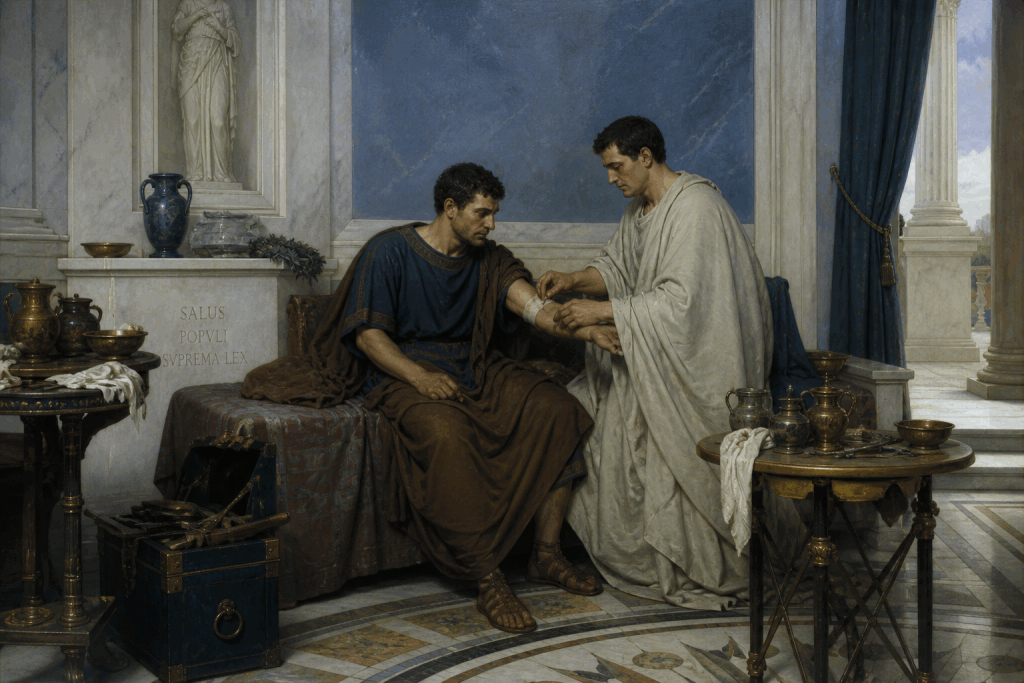
Przeprowadzce do nowego kraju zawsze towarzyszy stres, szczególnie jeśli chodzi o zdrowie. W Hiszpanii medycyna publiczna (Sistema Nacional de Salud) działa na zasadzie powszechności: prawo do pomocy jest powiązane nie tylko z podatkami, ale także z samym faktem zamieszkania w kraju. Głównym narzędziem dostępu do lekarzy jest Indywidualna Tarjeta Sanitaria (TSI). Jest to plastikowa karta z Twoim unikalnym numerem (CIP), zgodnie z którą będziesz przyjęty do każdej publicznej przychodni i szpitala.
1. Status specjalny: Kto jest w 100% chroniony przez prawo?
W Hiszpanii istnieją kategorie osób, którym opieka medyczna jest gwarantowana w pierwszej kolejności, nawet jeśli ich status biurokratyczny nie został jeszcze określony.
Kobiety w ciąży
Według zgodnie z Prawdziwy Decreto-ley 7/2018, każda kobieta w Hiszpanii ma prawo do pełnej opieki lekarskiej w czasie ciąży, porodu i okresu poporodowego (6 tygodni po porodzie).
- Wymagane jest posiadanie karty lekarskiej i rejestracja u lekarza położnika (komadron).
- Usługa obejmuje wszystkie rutynowe badania USG, badania oraz sam poród w placówce publicznej szpital.
Dzieci i młodzież do lat 18
Na podstawie Ley Orgánica 4/2000 (art. 12) małoletni obcokrajowcy mają takie same prawa do opieki zdrowotnej jak Hiszpanie dzieci.
- Mają prawo do bezpłatnych szczepień zgodnie z kalendarzem ogólnokrajowym.
- Dziecko przydzielane jest do osobistego pediatry w przychodni w miejscu rejestracji.
- Ważny bonus: Dzieci do 16 roku życia w większości regionów są całkowicie zwolnione z płacenia na leki przepisane przez lekarza (0% dopłaty).
2. Szczegółowy plan rejestracji krok po kroku
Krok 1: Uzyskanie rejestracji (Empadronamiento)
Bez rejestracji (Padron) w Hiszpanii nie da się zrobić prawie wszystkiego. Jest to dokument potwierdzający, że mieszkasz pod konkretnym adresem.
- Gdzie się udać: Do ratusza (Ayuntamiento) swojej okolicy. Zwykle należy umówić się wcześniej na spotkanie (Cita Previa) na stronie internetowej ratusza.
- Co zabrać ze sobą: Paszport, umowa najmu lub pozwolenie właściciela nieruchomości.
- Co zabrać pobierz: Otrzymasz dokument zatytułowany Volante de Empadronamiento.
- Wskazówka: Sprawdź, czy certyfikat jest „aktualny” (wiele przychodni wymaga, aby był wystawiony nie dłużej niż 3 miesiące temu).
Krok 2: Określenie uprawnień (Seguridad Social lub INSS)
Zanim sięgniesz po kartę, musisz zrozumieć, na jakiej podstawie o nią prosisz.
- Jeśli pracujesz: Twój pracodawca rejestruje Cię w systemie ubezpieczeń społecznych (Seguridad Społeczności). Wystarczy pobrać dokument uprawniający do pomocy medycznej (Dokument akredytacyjny) ze swojego konta osobistego na stronie internetowej INSS.
- Jeśli jesteś osobą pozostającą na utrzymaniu: Na przykład żona lub dziecko osoby pracującej. Musisz być „połączona” z ubezpieczeniem męża/ojca za pośrednictwem strony internetowej INSS lub w ich biurze.
- Jeśli jesteś bezrobotna i nie posiadasz pozwolenia na pobyt (Universal): Jeśli mieszkasz w Hiszpanii dłużej niż 3 miesiące, składasz wniosek w ramach systemu „powszechnego dostępu”. W takim przypadku dokument z ubezpieczenia społecznego nie jest potrzebny, należy od razu udać się do Centrum Zdrowia w celu wizyty u pracownika socjalnego.
Krok 3: Złożenie dokumentów do Centrum Zdrowia (CAP)
Twoje życie medyczne kręci się wokół CAP (Centro de Atención Primaria) to Twoja przychodnia rejonowa. Możesz znaleźć swój, wpisując na mapie „Centro de Salud” i wybierając adres najbliższy Twojemu adresowi rejestracyjnemu.
- Przyjdź do biura rejestracji (Mostrador).
- Prześlij dokumenty paczki:
- Paszport, NIE
- Volante de Empadronamiento(rejestracja).
- Dokument ubezpieczenia społecznego lub zaświadczenie o ciąży (jeśli dotyczy).
- Dla dzieci – akt urodzenia z tłumaczeniem na język hiszpański.
- Wypełnij formularz: Wydadzą Ci formularz Solicitud de Tarjeta Sanitaria.
3. Terminy, wydanie karty i dokument tymczasowy
Po akceptacji dokumentów przez administratora:
- Papier tymczasowy: Otrzymasz wydruk z Twoim numerem CIP. Od teraz możesz już umówić się na wizytę u terapeuty (lek cabecera) lub pediatry.
- Karta plastikowa: Fizyczna karta TSI dotrze pocztą zwykłą na Twój adres rejestracja. Zwykle trwa to od 2 do 4 tygodni.
- Okres ważności:
- Jeśli posiadasz zezwolenie na pobyt, karta jest ważna przez taki sam okres jak Twój pobyt.
- Jeśli ubiegałeś się o kartę jako „nielegalny migrant” (powszechny dostęp), może ona zostać wydana na okres od 6 do 24 miesięcy, po czym uprawnienie będzie wymagało potwierdzenia ponownie.
4. Co zrobić, jeśli odmówiono Ci?
Czasami na recepcji kliniki można powiedzieć: „Bez NIE (karta rezydenta) niczego nie rozpatrzymy”. Jest to nielegalne.
- Prawo: Patrz Prawdziwy Decreto-ley 7/2018. Wyraźnie stwierdza, że brak statusu prawnego nie jest przeszkodą w uzyskaniu opieki medycznej.
- Pracownik socjalny: Każdy CAP ma Społeczność Trabajadora. Jeśli administrator odmówi, poproś o audiencję u pracownika socjalnego. To oni zajmują się sprawami osób, które nie posiadają jeszcze wszystkich dokumentów urzędowych.
Podsumowanie dla osób samodzielnie: Najpierw – rejestracja, potem – ustalenie uprawnień w ZUS, a na koniec – wizyta w poradni. Proces jest całkowicie bezpłatny. Jeśli czujesz, że bariera językowa lub biurokratyczne zawiłości uniemożliwiają Ci ochronę Twoich praw, profesjonalna pomoc pomoże Ci skompletować wszystkie dokumenty podczas jednej wizyty, oszczędzając nerwy i zapewniając jak najszybszy dostęp do lekarzy.
Jak zapisać dziecko do szkoły w Hiszpanii: instrukcje krok po kroku dla rodziców obcokrajowców

Hiszpański system edukacji jest otwarty i wspiera migrantów, ale przyjęcie Sam proces jest pełen biurokratycznych niuansów: od ścisłego przestrzegania terminów składania wniosków po zawiłości systemu punktowego przy wyborze szkoły. Jeśli właśnie przyjechałeś lub planujesz przeprowadzkę, ten przewodnik pomoże Ci przejść od uzyskania pozwolenia na pobyt do pierwszego dzwonka w klasie bez niepotrzebnego niepokoju i błędów.
Poniżej szczegółowo przeanalizujemy każdy krok, który sprawi, że proces „dostania się do szkoły” stanie się jasnym i przewidywalnym algorytmem.
1. Fundacja: Uzyskanie rejestracji (Empadronamiento)
Pierwszą rzeczą, którą musisz zrobić po przyjeździe, jest zarejestrowanie się w gminie swojego miejsca zamieszkania. Bez rejestracji (Padron) nie będziesz mógł zapisać swojego dziecka do szkoły w Twojej okolicy.
- Gdzie się udać: Do lokalnego urzędu miejskiego (Ayuntamiento) Twojego obszarze.
- Co zabrać ze sobą: Twój paszport, paszport dziecka i dowód zamieszkania (umowa najmu lub rachunek za media wystawiony na Twoje nazwisko).
- W przypadku braku umowy: Nawet jeśli mieszkasz nieoficjalnie, masz prawo do rejestracji. Skontaktuj się z opieką społeczną urzędu burmistrza, pomogą Ci zarejestrować fakt pobytu.
- Wynik: Otrzymasz zaświadczenie –Volante de Empadronamiento, które potwierdza, że dziecko mieszka na terytorium tego gmina.
2. Przygotowanie pakietu dokumentów
Chociaż wymagania mogą się nieznacznie różnić w zależności od regionu, standardowa lista wygląda następująco:
- Akt urodzenia: Wymagane z tłumaczeniem przysięgłym (traduktor jurado) na język hiszpański.
- Paszport zagraniczny dziecka: Lub zaświadczenie z konsulatu potwierdzające tożsamość.
- Dokumenty rodziców: Paszporty, NIE (jeśli zostały już odebrane). Pamiętaj: brak NIE jest podstawą prawną do odmowy zapisania dziecka do szkoły.
- Księga Rodzinna (Libro de Familia): Jeśli ją posiadasz. W przypadku cudzoziemców zastępuje go akt urodzenia.
- Świadectwa lekarskie: Oficjalnie do zapisów nie jest wymagane zaświadczenie o szczepieniach, ale często jest wymagane do dołączenia do szkolnej dokumentacji medycznej (Carne de salud), aby pielęgniarka znała status szczepień dziecko.
3. Etapy składania wniosku (Admisión)
Proces rekrutacji dzieli się na dwa główne scenariusze: planowy (wiosna) i awaryjny (w ciągu roku).
Scenariusz A: Aplikacja planowa (zwykle marzec-kwiecień)
Jeśli chcesz, aby Twoje dziecko rozpoczęło naukę w szkole od września, musisz złożyć wniosek w ustalonym terminie (zwykle wiosną).
- Wybór szkoły: Wskazujesz listę szkół priorytetowych.
- Złożenie wniosku: Poprzez portale regionalne (dla przykład Sekretariat Wirtualny w Madrycie) lub osobiście w biurze usług edukacyjnych (SAE).
- System punktacji: W przypadku większej liczby kandydatów niż miejsc, szkoła przyznaje nagrody punkty za bliskość domu do szkoły, obecność rodzeństwa w szkole i dochody rodziny.
Scenariusz B: Zapisy awaryjne (w trakcie roku szkolnego)
Jeśli przybyłeś do Hiszpanii w połowie roku szkolnego, nadal masz obowiązek przyjąć dziecko.
- Musisz skontaktować się z komisją ds. pośrednictwa pracy (Comisión de Escolarización) lub biurze SAE Twojego okręgu.
- Dziecko otrzyma miejsce w szkole, w której są aktualnie dostępne miejsca (plac zwyczajny).
4. Adaptacja językowa (Aula de Enlace)
W niektórych regionach, np. w Madrycie, utworzono specjalne „zajęcia komunikacyjne” (Aula de Enlace).
- To etap przejściowy dla dzieci, które nie mówią po hiszpańsku.
- Tam dziecko intensywnie uczy się języka w małej grupie, zanim w pełni przejdziesz do zwykłych zajęć z rówieśnikami.
5. Ostatni krok: Rejestracja (Matriculación)
Po przydzieleniu miejsca (plac Escolar) proces się nie kończy. potrzeba matury.
- Udajesz się bezpośrednio do szkoły, do której zostałeś przydzielony.
- Wypełnij końcowe formularze: wybierz lekcje religii lub etyki, zapisz się do stołówki (komodor) i autobusu szkolnego (jeśli konieczne).
- Dopiero po złożeniu dokumentów w samej szkole dziecko zostaje oficjalnie uznane za zapisane.
Ważne wskazówki
- Równe warunki: Hiszpańskie prawo zabrania dyskryminacji ze względu na narodowość lub status prawny. Szkoły mają obowiązek zapewnić wszystkim równy dostęp do edukacji.
- Terminy: Śledź strony internetowe regionalnych wydziałów edukacji (Consejería de Educación). Publikowane są tam dokładne terminy składania wniosków dla każdej autonomii.
Potrzebujesz pomocy? Jeśli spotkasz się z odmową przyjęcia dokumentów lub nie wiesz, jak wypełnić wniosek online na portalu, lepiej skontaktować się ze specjalistą. Dzięki temu dziecko ma pewność, że dotrze do szkoły punktualnie i bez niepotrzebnego stresu dla rodziny.